.png%253Falt%253Dmedia%2526token%253D78c23398-5711-460d-b21c-4a7177094ae4%22%7D%2C%7B%22operation%22%3A%22resize%22%2C%22width%22%3A48%7D%2C%7B%22operation%22%3A%22output%22%2C%22format%22%3A%22webp%22%2C%22quality%22%3A75%7D%5D)
The Active Resilience Baseline: Rebuilding Matrix Proteostasis via HSP Chaperones, ASP Signaling, and Multi-Spectrum Shielding
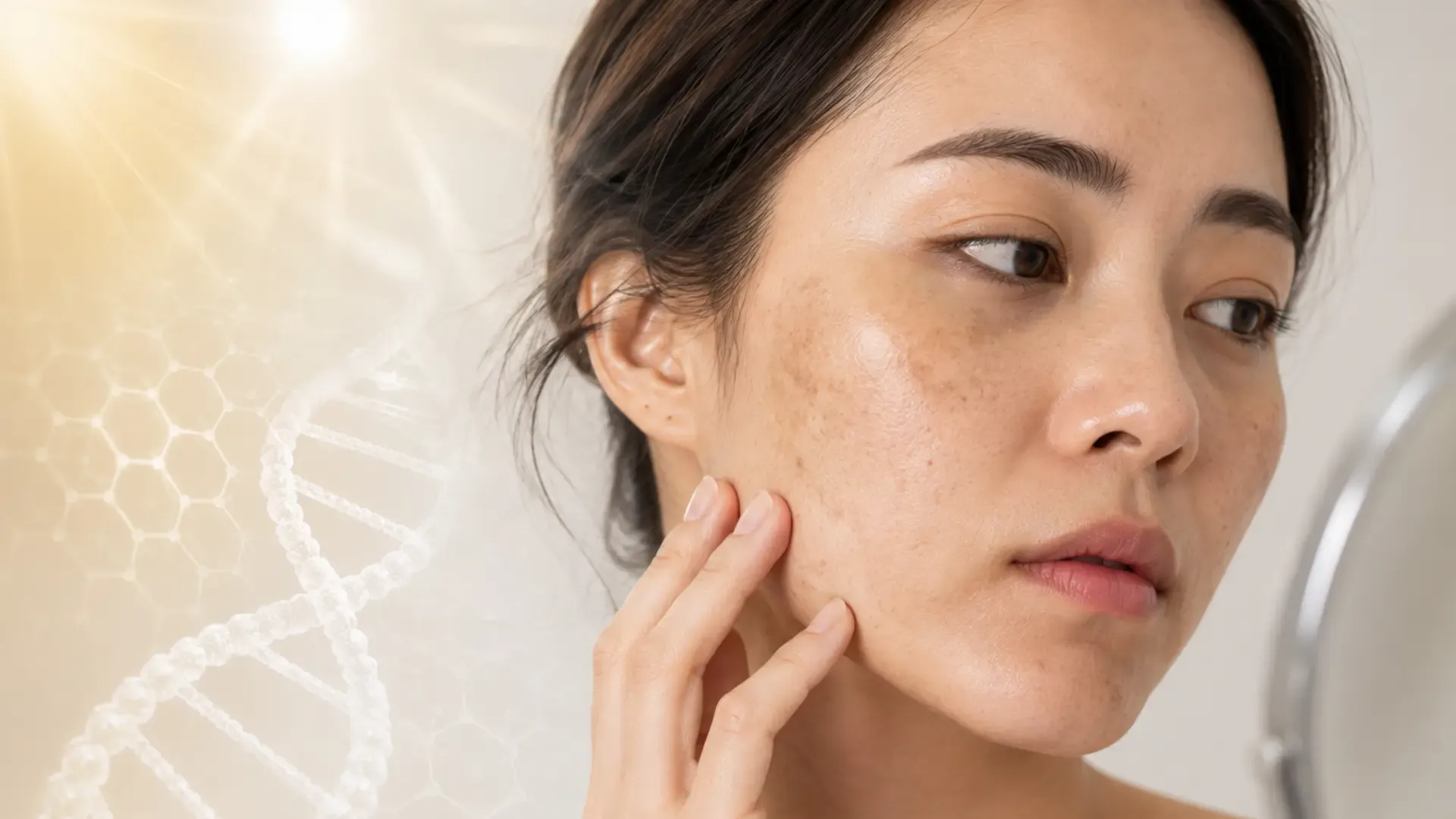
The skin you wear today is the product of every environmental exposure it has processed across your lifetime. UV radiation, pollution, oxidative stress, and daily thermal fluctuations each exact a toll at the cellular level.
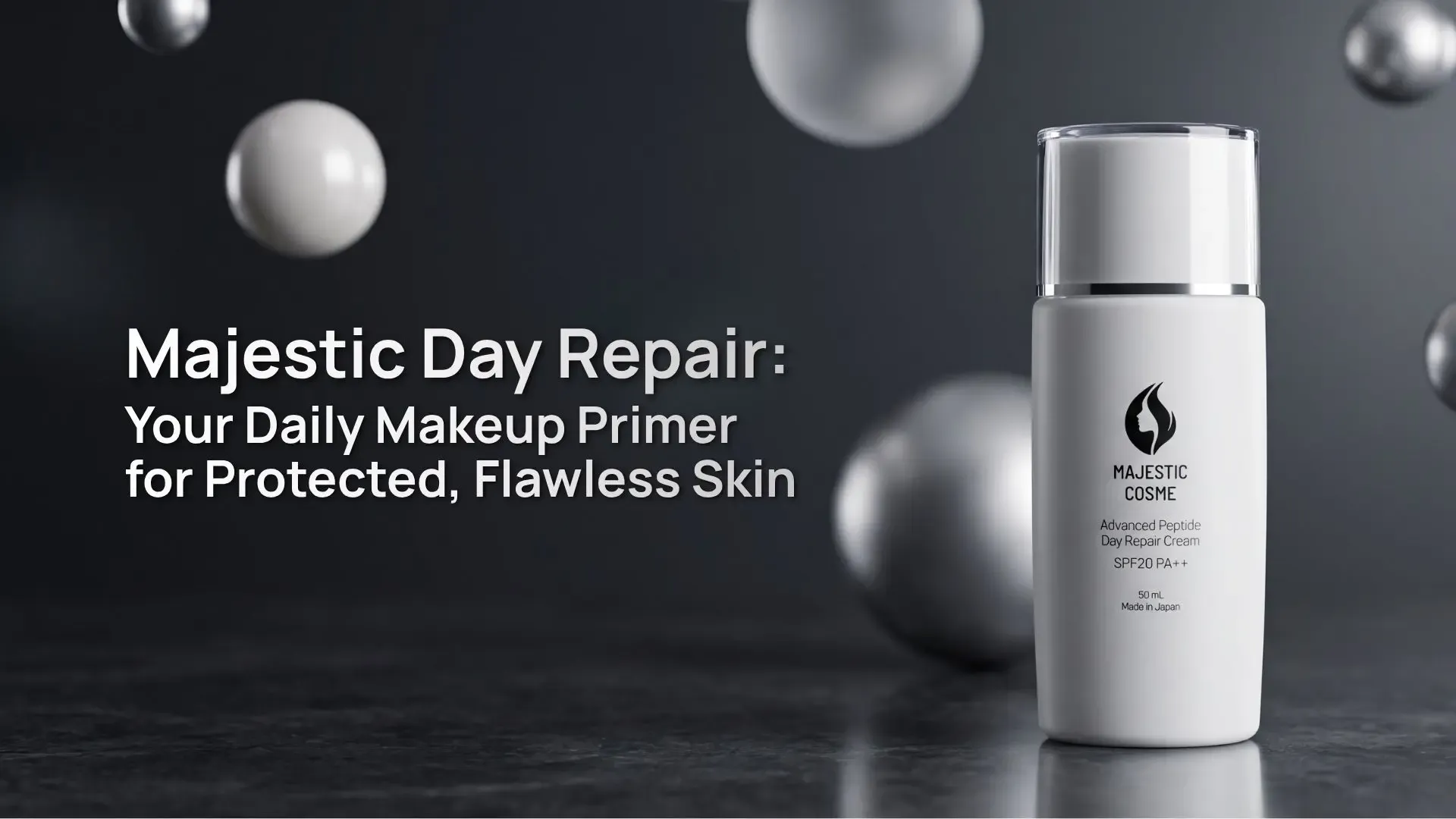
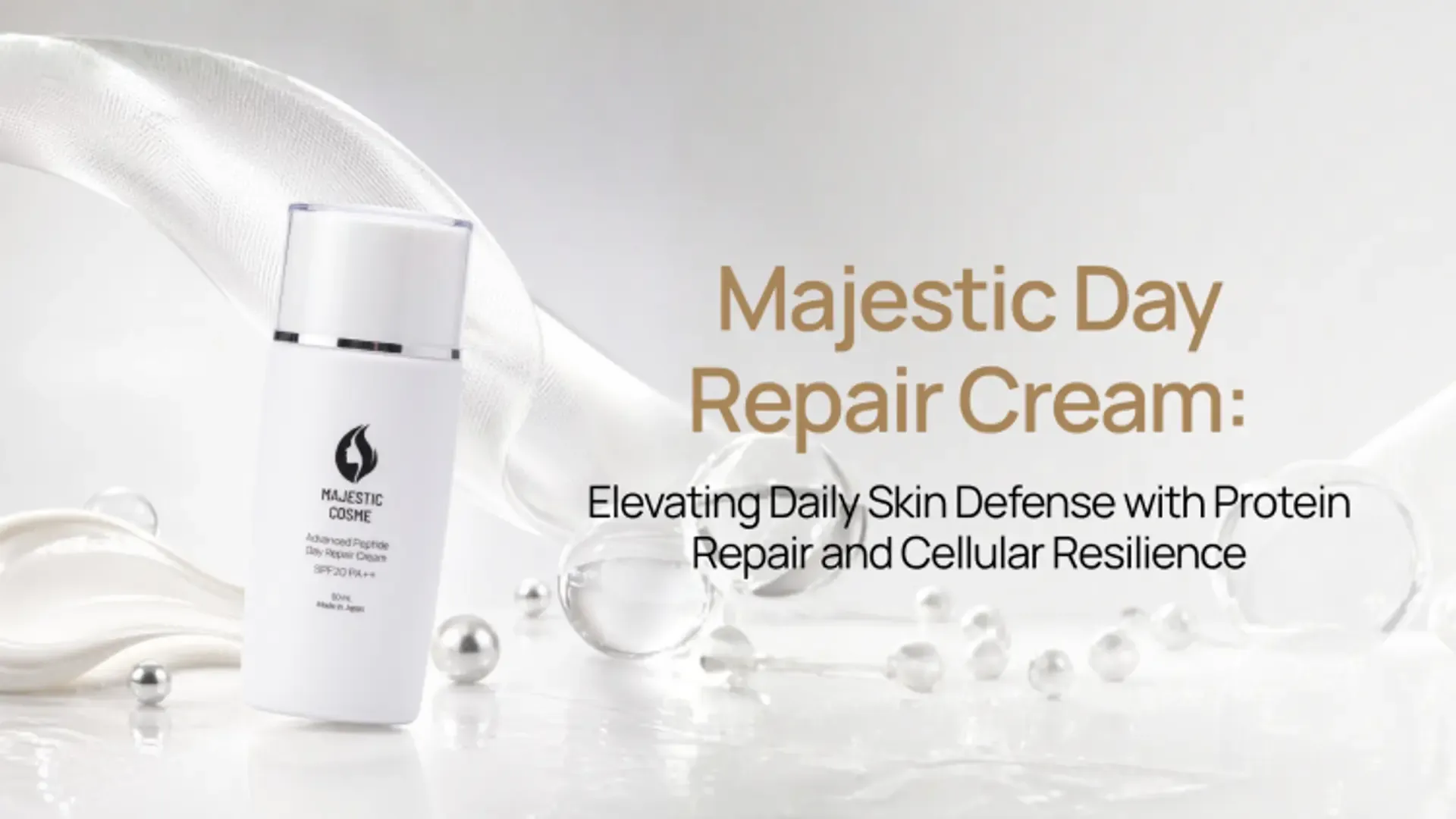
Managing that toll requires more than a UV filter. It requires a formulation that engages directly with the biological mechanisms through which daily stress damages skin at its structural foundation. Majestic Day Repair Cream was designed around that requirement. It combines Human-Type HSP protein repair, ASP melanin signal blocking, a 3GF growth factor complex, Mineral Shield UV protection, and a triple antioxidant blend to do what standard daily skincare has never been designed to do: actively sustain the biological systems that keep skin functioning, resilient, and structurally sound under the pressure of everyday life.
Understanding Daily Skin Stressors and Their Impact on Cellular Integrity
The skin faces a continuous spectrum of stressors from the moment you begin your day. Understanding what each does at the cellular level is the starting point for understanding why a standard moisturizer or SPF product is insufficient to address them comprehensively.
UV radiation is the most studied and most consequential of these stressors. Both UVA and UVB wavelengths penetrate the skin to different depths, generating lesions in skin cells, activating matrix metalloproteinases that degrade collagen, and triggering a hormone command from the brain, alpha-MSH, that instructs cells to produce melanin and break down collagen simultaneously. A 2013 study published in Clinical, Cosmetic and Investigational Dermatology estimated that approximately 80 percent of visible facial aging is attributable to UV exposure, primarily from daily incidental accumulation rather than acute sun events.
Urban air pollution adds oxidative stress that compounds UV damage. Particulate matter generates free radicals that damage cell membranes and structural proteins. These stressors do not operate in isolation. They interact with UV damage in ways that amplify the total cellular burden well beyond what any single protective technology can fully address.
Daily skin protection designed for this reality cannot be passive. It must engage with the cellular repair and stress-response systems that process and recover from this damage at the source.
The Power of Protein Repair: How Majestic Day Repair Cream Restores Skin Strength
Majestic Day Repair Cream contains Human-Type HSP (Heat Shock Protein), which functions as a cellular repair crew. HSPs are molecular chaperone proteins that identify and fix damaged proteins and cellular structures within skin cells, repairing their structure and restoring their function after UV and environmental stress.
In UV-stressed skin, this mechanism operates at two levels. First, HSPs stabilize proteins within collagen-producing fibroblasts that have been damaged or misfolded by UV energy, preventing cellular dysfunction from cascading into inflammatory signaling and cell death. Second, by supporting the structural repair of collagen proteins directly, the HSP system helps restore the skin's structural foundation, working to prevent the wrinkle formation and sagging that accumulate from unaddressed UV damage over time.
Research published in the Journal of Photochemistry and Photobiology B established that HSP expression following UV exposure is a measurable indicator of how effectively skin cells manage UV-induced stress. Skin with robust HSP activity recovers more completely from UV insult and shows better long-term preservation of dermal structure.
The efficiency of this endogenous HSP system declines with age and with the accumulated burden of chronic UV stress. The Human-Type HSP formulation in Majestic Day Repair Cream compensates for this age-related decline, maintaining a higher level of cellular protein repair capacity than the skin could achieve on its own.
For those who want to understand how this protein repair approach relates to the broader landscape of active daily defense, Day Repair Mineral UV: The Synergy of HSP and ASP provides a detailed explanation of how biological repair mechanisms differ from passive UV filtering.
Boosting Cellular Resilience: The Role of HSP, ASP, and 3GF Technology
Cellular resilience in Majestic Day Repair Cream is built on three active technology layers that address different points in the UV damage and aging cascade.
The first layer, Human-Type HSP, repairs protein damage within cells as described above. The second layer is ASP (Functional Peptide) technology. When UV rays hit the skin, the brain sends the hormone command alpha-MSH to skin cells, telling them to produce melanin and break down collagen. ASP intercepts and blocks this command signal before it reaches the cells. By stopping the message at the source, ASP prevents pigmentation before it forms and reduces the collagen breakdown signal that would otherwise accelerate structural skin aging. This is a fundamentally different approach from brightening products that fade existing dark spots. It interrupts the mechanism that creates new ones.
The third layer is the 3GF Complex, a powerhouse blend of three growth factors: EGF (Epidermal Growth Factor), FGF (Fibroblast Growth Factor), and IGF (Insulin-like Growth Factor). This complex regenerates new skin cells and boosts elasticity by stimulating the cellular renewal processes that maintain skin density and firmness. Growth factors communicate directly with skin cells to accelerate the production of new collagen and elastin, providing a structural signaling function that neither UV protection nor protein repair alone can deliver.
| Active Technology | Mechanism | Skin Outcome |
|---|---|---|
| Human-Type HSP | Identifies and repairs damaged proteins and structures in skin cells | Restored structural integrity, prevention of wrinkles and sagging |
| ASP Functional Peptide | Blocks alpha-MSH signal before it reaches skin cells | Prevention of new melanin formation and collagen breakdown |
| 3GF Complex (EGF, FGF, IGF) | Stimulates cellular renewal and collagen and elastin production | Improved skin elasticity and firmer, more youthful skin |
| Mineral Shield | Physically reflects UV rays without chemical absorbers | Safe, photostable broad-spectrum protection for sensitive skin |
| Antioxidant Blend | Neutralizes free radicals and prevents environmental inflammation | Healthier, more resilient skin with reduced oxidative damage |
Beyond SPF: Comprehensive Daily Protection with Mineral Shield Technology
The UV protection layer in Majestic Day Repair Cream uses a Mineral Shield of fine zinc oxide and titanium dioxide powders. These physical UV blockers reflect harmful rays without using chemical absorbers, making the formula safe for sensitive skin and eliminating the systemic absorption concerns that have accompanied chemical UV filters in recent research.
The practical advantages over chemical filters are meaningful for daily use. Chemical filters absorb UV photons and convert them to heat through a process that causes photodegradation over time, particularly in avobenzone, the most common UVA-filtering ingredient. Mineral filters do not undergo this degradation. The protection they provide at the start of the morning is maintained consistently through the day without reapplication under ordinary daily conditions.
The Mineral Shield also provides a smooth, luminous finish without the white cast associated with older mineral sunscreen formulations. This finish functions as a primer base, allowing foundation and other complexion products to apply more evenly and last longer throughout the day, eliminating a separate primer step from the morning routine.
Alongside the Mineral Shield, Majestic Day Repair Cream includes an Antioxidant Blend of Vitamin C, Vitamin E, and TRX (Thioredoxin). This combination neutralizes the free radicals generated by UV and pollution exposure, reduces inflammation from environmental stress, and supports the overall cellular resilience that the HSP and ASP systems maintain throughout the day. The antioxidant layer addresses the oxidative dimension of daily UV stress that mineral blocking alone cannot prevent.
For a thorough examination of how this Japanese mineral UV approach performs against conventional sunscreen formulations across all relevant dimensions, the full UV protection breakdown covers the clinical and formulation science in detail.
Integrating Majestic Day Repair Cream into Your Daily Ritual for Lasting Youth
The biological benefits of Majestic Day Repair Cream compound with consistent daily use. Each day of consistent application sustains a level of cellular function that reduces the rate at which UV-induced damage accumulates and manifests as visible aging.
The recommended morning application protocol:
- Complete cleansing and apply all water-based treatment products, essences, and serums first. Allow each layer to absorb fully before proceeding.
- Apply Majestic Day Repair Cream as the final skincare step. A pea-sized amount is sufficient for face, jaw, and neck. Use upward and outward strokes for even Mineral Shield coverage.
- Allow 60 seconds before applying any makeup. This settling time allows both the UV protection layer and the smooth primer finish form correctly.
- One morning application provides adequate daily UV protection for ordinary indoor-outdoor use. Reapply after two or more continuous hours of direct outdoor sun exposure.
- Surface improvements in skin tone and texture typically become visible after 4 to 6 weeks of consistent daily use. Deeper structural benefits from the 3GF growth factor complex and sustained HSP protein repair accumulate over 12 weeks and beyond.
Majestic Day Repair Cream is currently out of stock until the end of April 2026. Join the waitlist on the product page to receive notification as soon as the next batch is available.
Frequently Asked Questions
Conclusion
Daily skin health is determined by the cumulative efficiency of the biological systems that process, recover from, and adapt to the environmental stress skin faces every day. Majestic Day Repair Cream was formulated to support those systems directly: Human-Type HSP protein repair, ASP melanin and collagen signal blocking, 3GF growth factor stimulation, Mineral Shield UV protection, and a triple antioxidant blend of Vitamin C, Vitamin E, and TRX, all in a single morning step that also functions as a makeup primer. For those committed to skincare that works with biology rather than around it, this is what a genuinely comprehensive daily ritual looks like.
Majestic Day Repair Cream
Experience the Future of Daily Defense. Majestic Day Repair Cream combines advanced HSP protein repair, ASP melanin signal blocking, and 3GF growth factors with a Japanese Mineral Shield for unrivaled daily skin health. Secure your position for the next release and begin your journey toward lasting cellular resilience. Join the waitlist on the product page to receive notification as soon as the next batch is available.
Join the Waitlist NowScientific References
- Flament, F., et al. "Effect of the sun on visible clinical signs of aging in Caucasian skin." Clinical, Cosmetic and Investigational Dermatology, 2013.
- Trautinger, F. "Heat shock proteins in the photobiology of human skin." Journal of Photochemistry and Photobiology B: Biology, 2001.
- Stege, H., et al. "Enzyme plus sunscreen versus either sunscreen or enzyme alone for the UV-induced DNA damage in skin." Journal of Investigative Dermatology, 2000.
- Fisher, G. J., et al. "Mechanisms of photoaging and chronological skin aging." Archives of Dermatology, 2002.
- Schuch, A. P., et al. "DNA damage as a biological sensor of UV exposure." Photochemical and Photobiological Sciences, 2017.