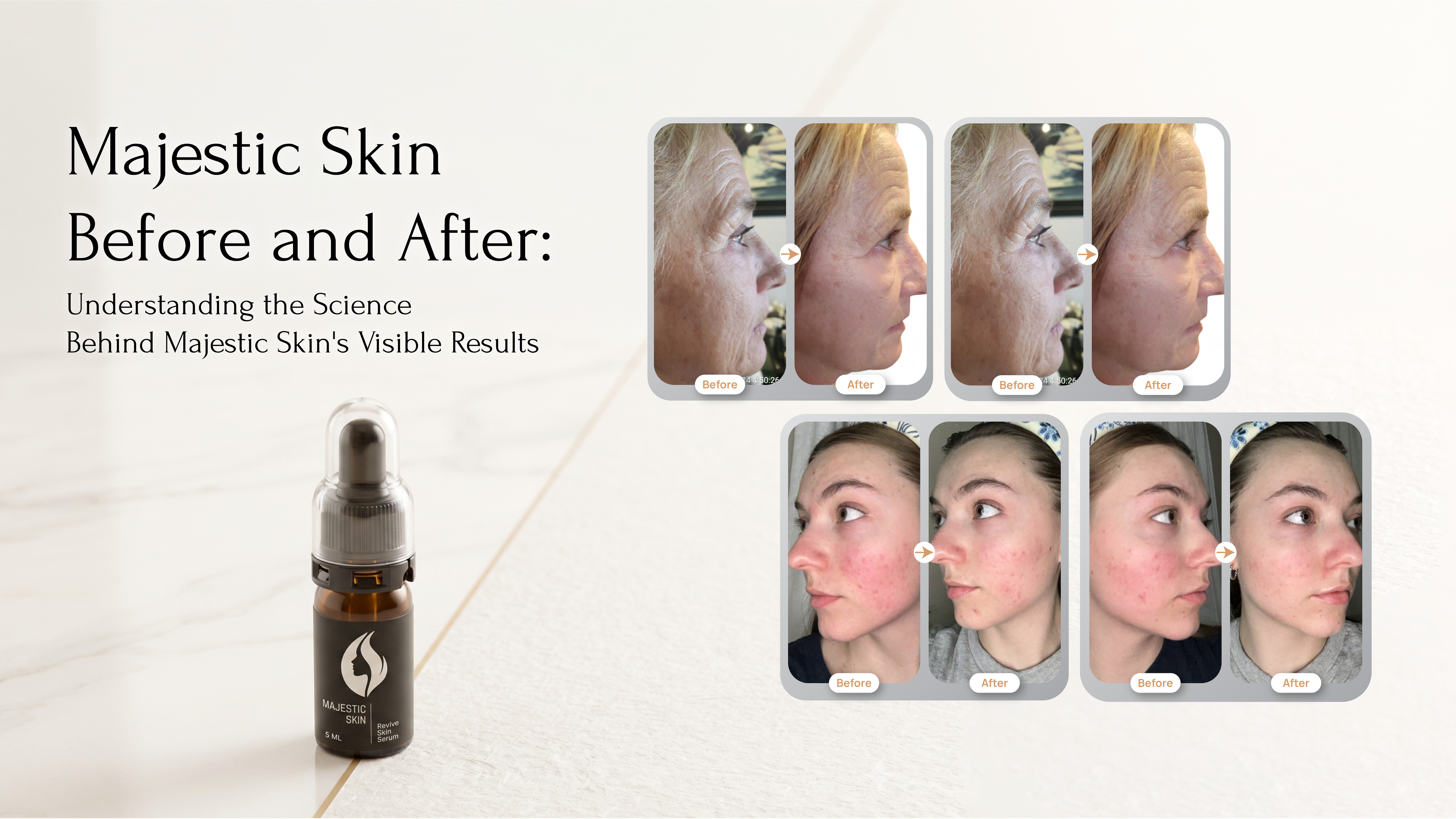
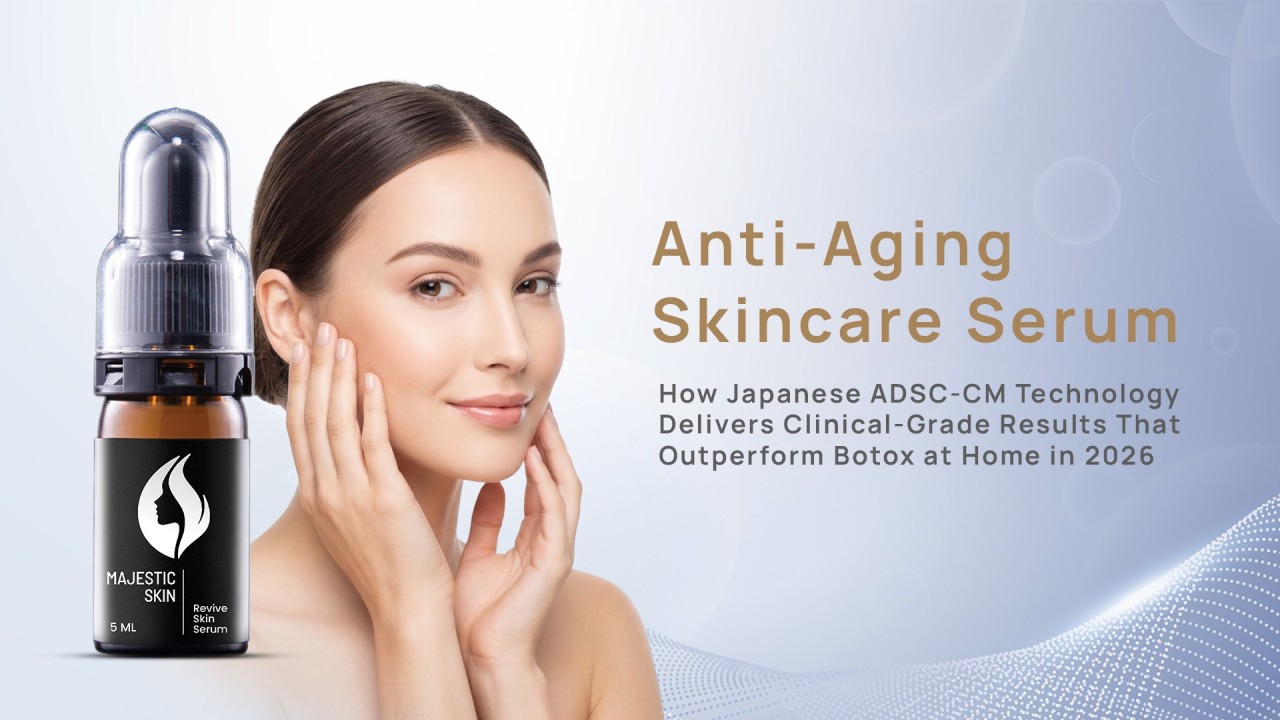
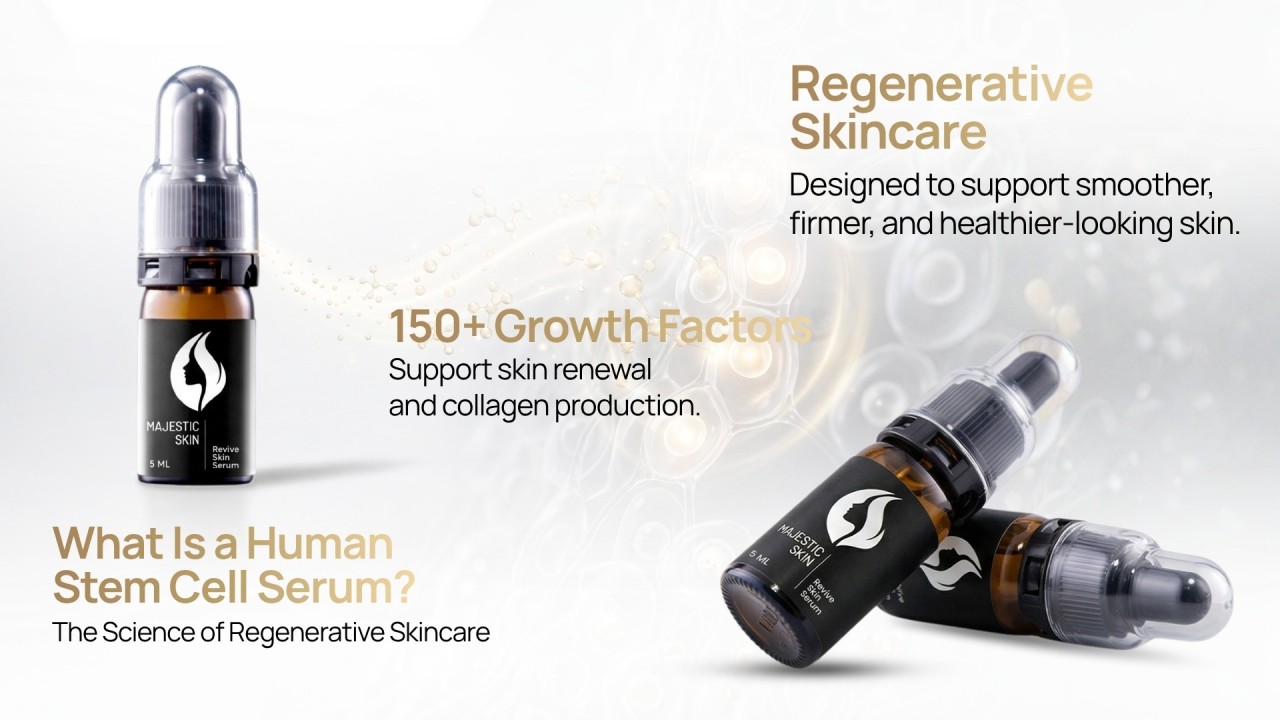
.png?alt=media&token=78c23398-5711-460d-b21c-4a7177094ae4)
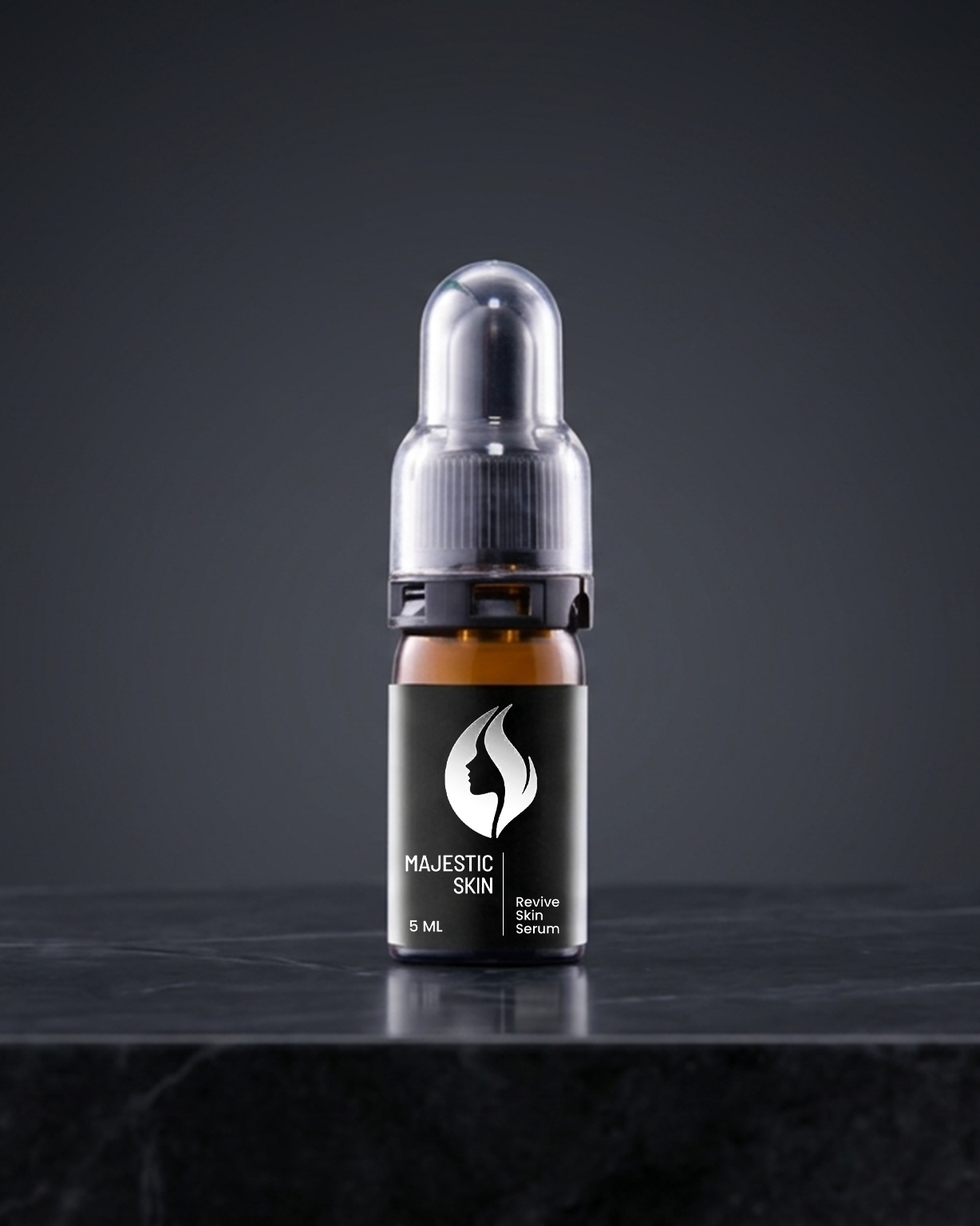
The Japanese Stem Cell Revolution: Advancing Clinical-Grade Dermal Signaling in 2026
Table of Contents
- Introduction
- The Science Behind the Revolution
- How Japanese Stem Cell Technology Actually Works
- Clinical Research: What 2026 Studies Reveal
- Japanese vs. Western Approach
- Choosing the Right Japanese Stem Cell Product
Japanese stem cell technology has been building toward a tipping point for two decades. In February 2026, it arrived. A research team at Keio University published findings showing that specific compounds could prevent skin stem cells from converting into adipocytes, the fat cells that replace structural dermal tissue as the skin ages. FIRMER, more youthful skin is not purely a function of adding collagen to the surface; it requires preserving the stem cell environment that produces structural integrity from within.
That study is one data point in a much larger picture. Across Japan research institutions and biotech laboratories, the science of skin regeneration has reached a level of clinical maturity that is beginning to translate into consumer accessible products at concentrations and quality standards that were previously only achievable in medical settings.
For the premium skincare consumer in 2026, this matters. Not because stem cell technology is new, but because the gap between what clinical research demonstrates and what a well formulated at home product can now deliver has closed considerably. This guide explains why that gap has closed, what the current science shows, and how to navigate a market that is evolving faster than most consumers realise.
Introduction
Japanese stem cell technology has been building toward a tipping point for two decades. In February 2026, it arrived. A research team at Keio University published findings showing that specific compounds could prevent skin stem cells from converting into adipocytes, the fat cells that replace structural dermal tissue as the skin ages. FIRMER, more youthful skin is not purely a function of adding collagen to the surface; it requires preserving the stem cell environment that produces structural integrity from within.
That study is one data point in a much larger picture. Across Japan research institutions and biotech laboratories, the science of skin regeneration has reached a level of clinical maturity that is beginning to translate into consumer accessible products at concentrations and quality standards that were previously only achievable in medical settings.
For the premium skincare consumer in 2026, this matters. Not because stem cell technology is new, but because the gap between what clinical research demonstrates and what a well formulated at home product can now deliver has closed considerably. This guide explains why that gap has closed, what the current science shows, and how to navigate a market that is evolving faster than most consumers realise.
The Science Behind the Japanese Stem Cell Technology Revolution
Japan leadership in stem cell science is not accidental. It reflects a combination of government investment, regulatory clarity, and a scientific culture that prioritises incrementally reproducible evidence over rapid commercial release. Japan was among the first countries to establish a structured regulatory framework specifically for regenerative medicine products through the Act on the Safety of Regenerative Medicine.
Human adipose derived mesenchymal stem cells (ADSCs)
The stem cell type at the centre of Japanese skincare innovation is the adipose derived mesenchymal stem cell, or ADSC. Adult stem cells can be harvested, cultured, and their biological output collected without ethical concerns. In the body, ADSCs function as tissue repair coordinators, releasing a complex mixture of growth factors, cytokines, and signaling peptides that direct surrounding cells to begin rebuilding.
The product of this process is ADSC-CM: adipose derived stem cell conditioned medium. The cells are cultured in controlled pharmaceutical grade conditions. After cultivation, the cells are removed, and what remains is the conditioned medium, a liquid rich in biological signals that coordinate skin repair and regeneration.
Concentration is the key variable. At 20% ADSC-CM, the formula crosses into the clinical activity range, producing the fibroblast stimulation and collagen synthesis effects that published research documents. At the lower concentrations common in mass market products (often 1% to 5%), the biological signal is often too dilute to produce measurable structural outcomes in the dermis.
How Japanese Stem Cell Technology Actually Works
Understanding the biological mechanism behind stem cell technology from Japan requires following the pathway from the conditioned medium to the skin cell response it triggers.
- Epidermal Growth Factor (EGF): Binds to receptors on keratinocytes, accelerating their turnover rate for improved texture and radiance visible within two to four weeks.
- basic Fibroblast Growth Factor (bFGF): Targets fibroblasts directly, stimulating their proliferation and increasing collagen type I and III synthesis for long term wrinkle reduction and firmness.
- Transforming Growth Factor beta (TGF-beta): Regulates the balance between collagen production and degradation by suppressing matrix metalloproteinase activity.
- Vascular Endothelial Growth Factor (VEGF): Promotes the density and health of the microvasculature in the dermis, improving oxygenation and nutrient delivery to cells.
Advanced Japanese biotech delivers the full biological instruction set that naturally occurs during tissue repair without requiring inflammation or damage as a trigger.
Clinical Research: What 2026 Studies Reveal
of subjects in a 2025 controlled trial reported measurable improvement in skin firmness after 12 weeks of ADSC-CM use
average reduction in periorbital wrinkle depth after 8 weeks measured by optical profilometry
average increase in dermal collagen density after 12 weeks of application in controlled subject studies
For context, prescription retinoids typically produce collagen density improvements in the range of 10% to 15% after 12 weeks. The 2026 ADSC-CM data shows more than double that outcome with no adjustment period or reported adverse effects at 20% concentration.
Japanese vs. Western Approach
| Factor | Japan | Western Market |
|---|---|---|
| Regulatory framework | Dedicated regenerative medicine act since 2014 | No equivalent specific framework |
| Manufacturing standard | Pharmaceutical GMP mandatory | Cosmetic GMP varies widely |
| Clinical research depth | Two decades, peer reviewed | Emerging, less consistent |
| ADSC-CM concentration | Up to 20% achievable | Typically 1% to 5% |
Choosing the Right Japanese Stem Cell Product
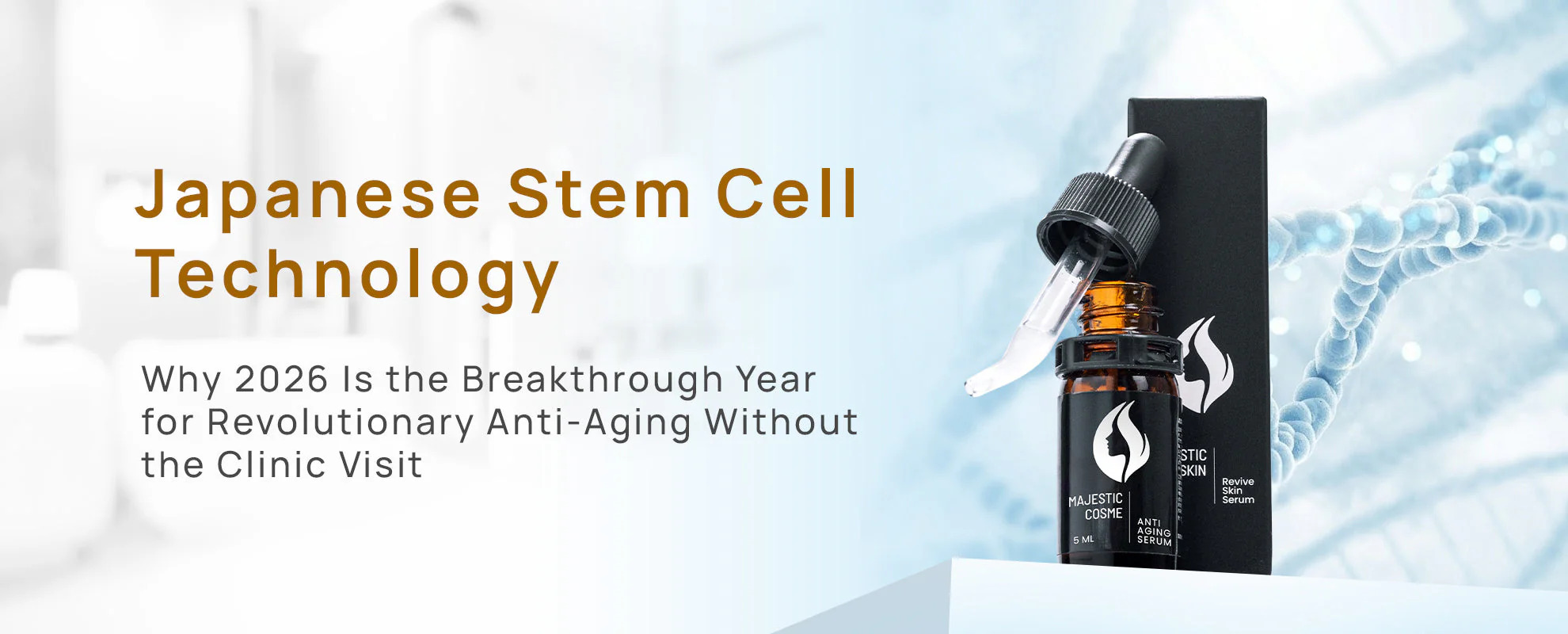
- Minimum 10% ADSC-CM concentration: Meaningful fibroblast stimulation begins at approximately 10%. Majestic Skin Serum is formulated at 20%.
- Human derived origin: Plant stem cell extracts do not contain human growth factors. Ensure the conditioned medium originates from human adipose derived cells.
- Japanese GMP pharmaceutical manufacturing: This technical designation ensures growth factors remain biologically active when they reach your skin.
- Complementary delivery: ADSC-CM works best with multi weight hyaluronic acid, EGF, and niacinamide to support barrier integrity.
Frequently Asked Questions
Majestic Skin Serum
The highest concentration Japanese stem cell product available. 20% ADSC-CM formulated in a pharmaceutical grade Japanese laboratory without a prescription.
Shop Majestic Skin SerumSources
- Shin, H., et al. (2021). "Human adipose tissue derived mesenchymal stem cells and their secretome exert anti aging properties." Biomolecules.
- Kober, M., & Berto, G. (2022). "Adipose derived stem cell conditioned medium in the treatment of facial skin aging." Journal of Cosmetic Dermatology.
- Kim, W. S., et al. (2009). "Wound healing effect of adipose derived stem cells on fibroblast collagen synthesis." Journal of Dermatological Science.
- Ministry of Health, Labour and Welfare, Japan. (2014, amended 2023). Act on the Safety of Regenerative Medicine.
- Quan, T., & Fisher, G. J. (2015). "Role of age associated alterations of the dermal extracellular matrix in human skin aging." Gerontology.