.png%253Falt%253Dmedia%2526token%253D78c23398-5711-460d-b21c-4a7177094ae4%22%7D%2C%7B%22operation%22%3A%22resize%22%2C%22width%22%3A48%7D%2C%7B%22operation%22%3A%22output%22%2C%22format%22%3A%22webp%22%2C%22quality%22%3A75%7D%5D)
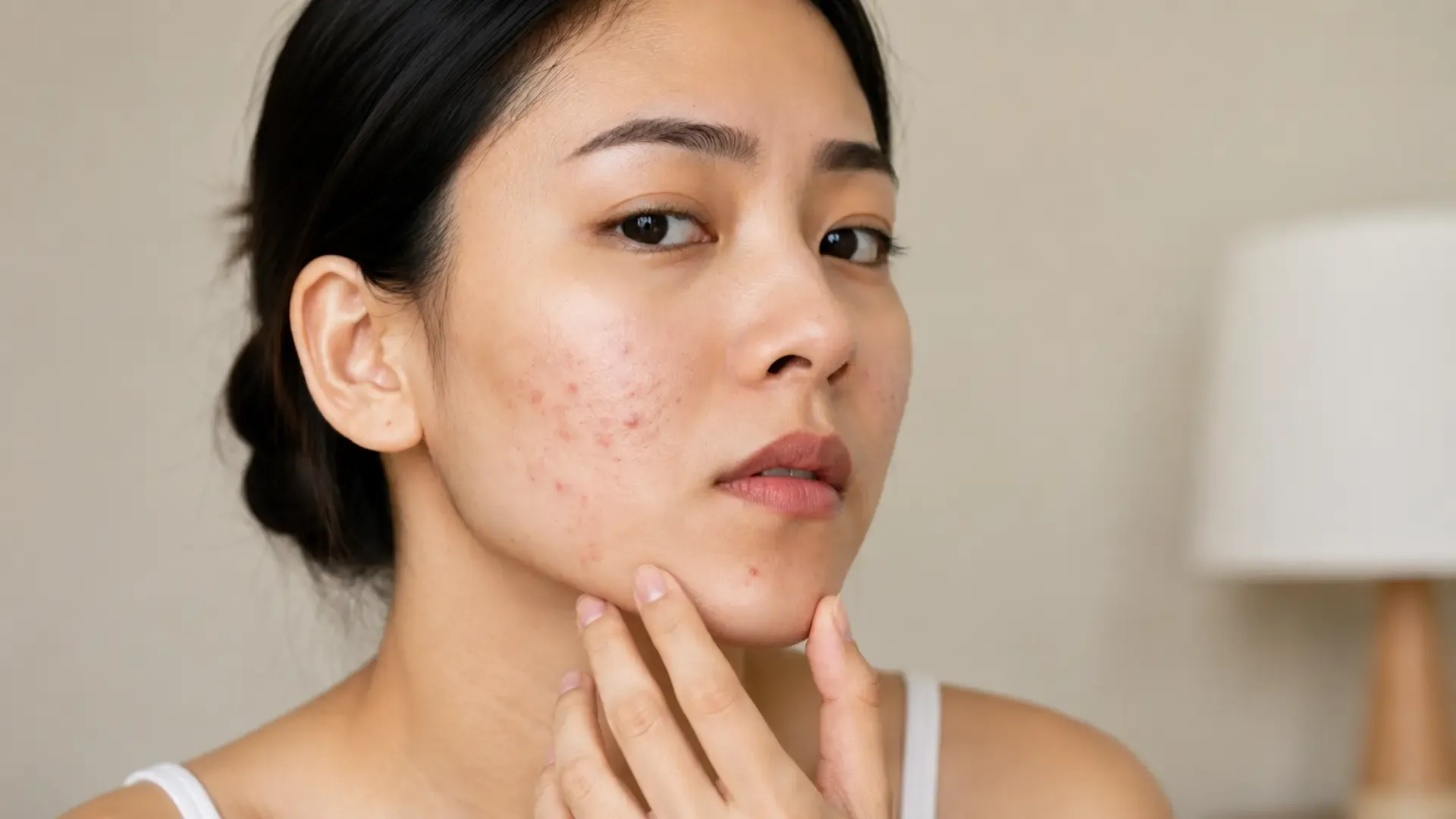
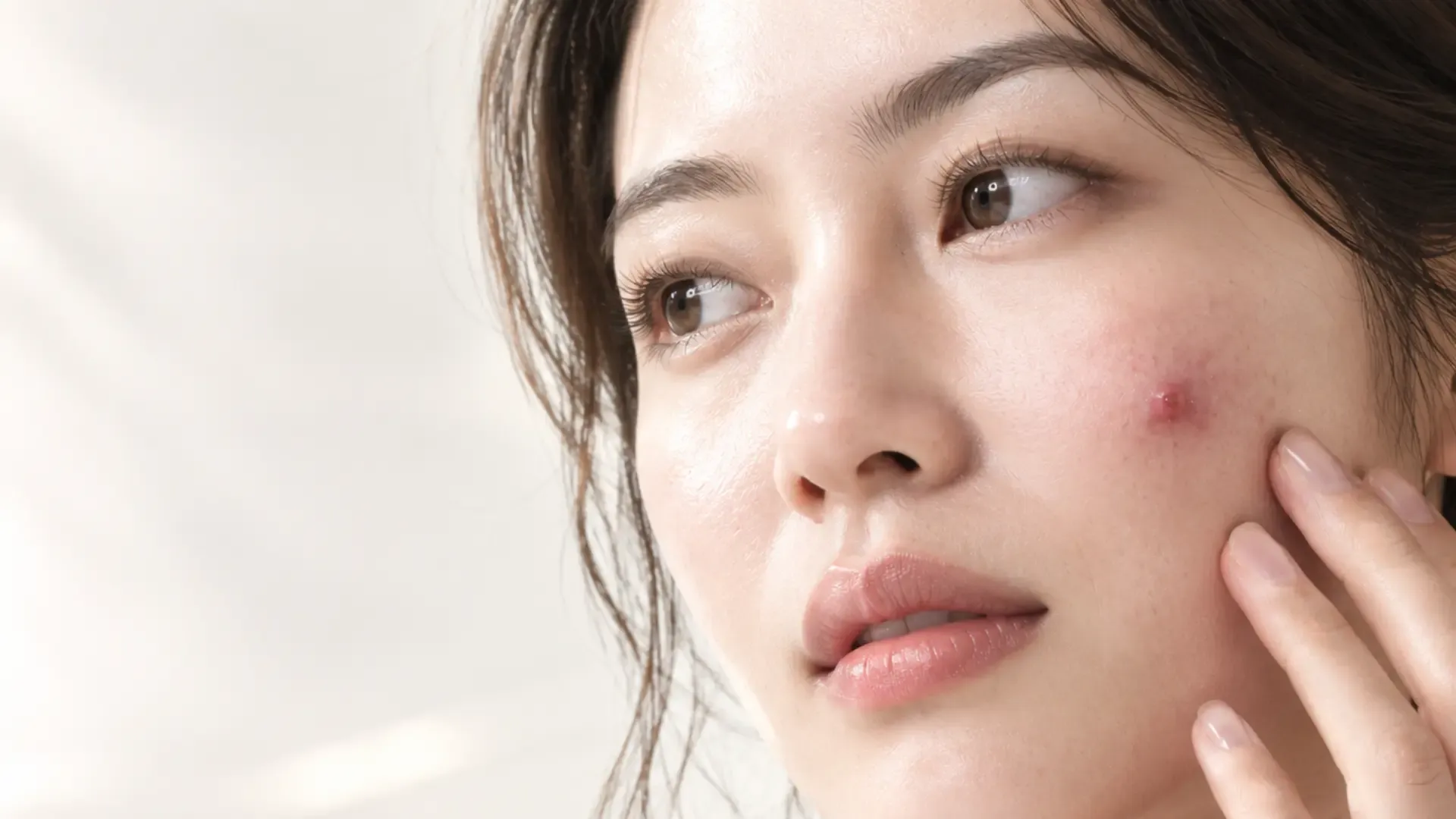
If your breakouts constantly reappear in the exact same spots, it is not a sign of poor hygiene, but a specific biological signal from your body. Understanding the medical cause behind acne mapping is the first step toward breaking the breakout cycle without stripping your delicate skin barrier.
Many conventional spot treatments worsen skin health by causing severe dryness. Discover how advanced Japanese biotechnology targets acne-causing bacteria while restoring your skin barrier from within.
What is the most effective treatment for acne?
The most medically effective treatment for acne is one that addresses root biological triggers (sebum hypersecretion, Cutibacterium acnes overgrowth, and inflammation) while maintaining stratum corneum integrity. Clinical diagnostics utilize facial mapping to identify location-specific triggers, ranging from external mechanical friction to internal hormonal shifts.
Facial mapping is not a mystical concept. Clinical dermatological research demonstrates that sebaceous gland density and environmental exposures differ across facial zones, giving each area unique biological vulnerabilities.
Cheek Breakouts: External Friction, Pillowcases, and Barrier Damage
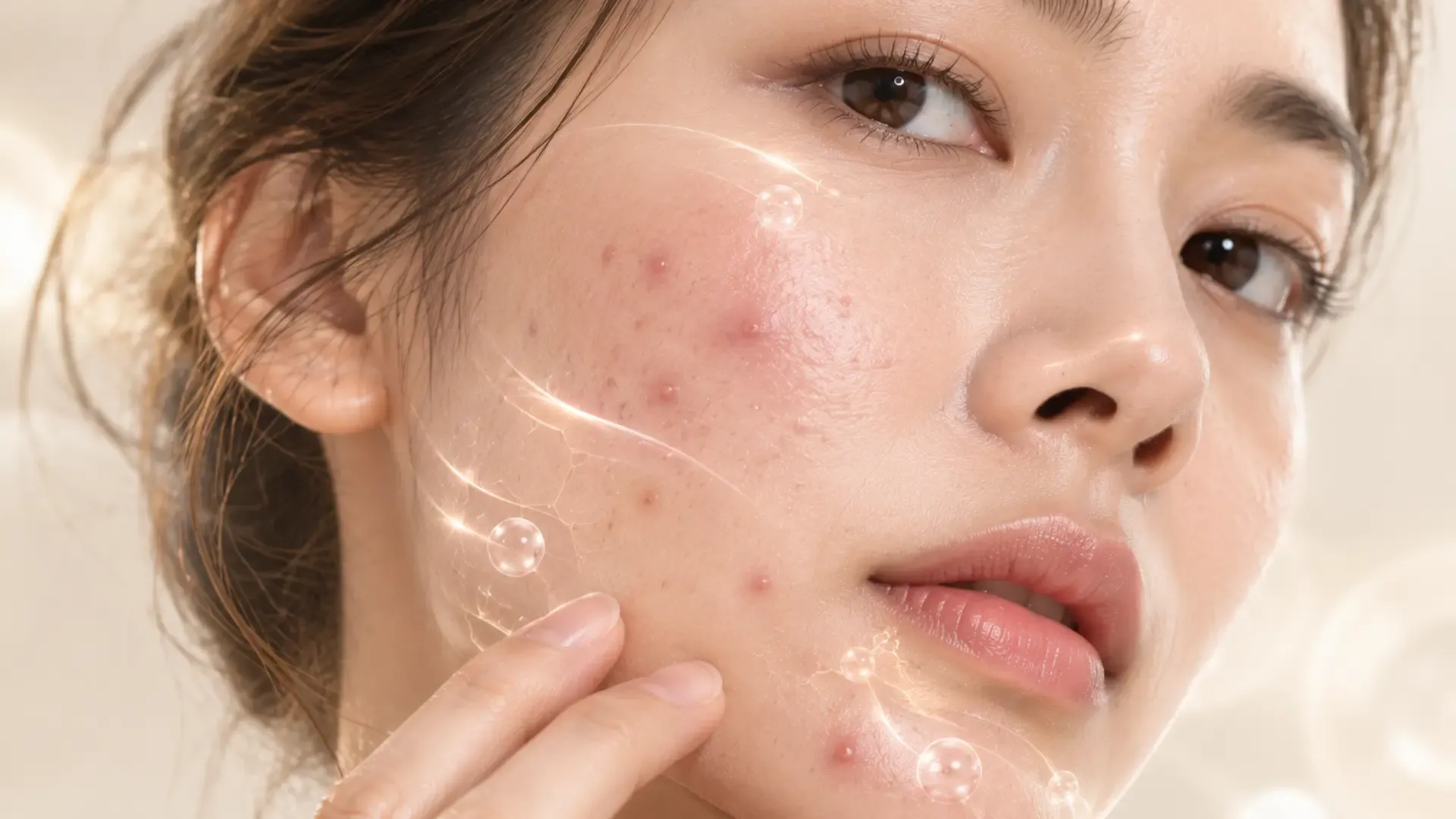
Cheek acne is primarily driven by external mechanical factors and environmental stress. When the protective lipid barrier on the cheeks is compromised, local inflammation develops easily.
- Phone screen friction: Pressing unsterilized smartphone glass against cheek tissue.
- Dirty pillowcases: Accumulation of hair products, sebum, and bacterial residues overnight.
- Facial coverings: Humid microclimates under synthetic face masks causing mechanical maskne.
- Airborne pollutants: Microscopic particulate matter inducing pore congestion and lipid oxidation.
Cheek skin features a relatively thin stratum corneum. When lipid integrity is broken, transepidermal water loss (TEWL) rises sharply, creating an anaerobic microenvironment where Cutibacterium acnes (C. acnes) rapidly proliferation occurs.
Scientific Note: Studies published in the Journal of Investigative Dermatology confirm that impaired skin barrier function significantly accelerates bacterial colonization. Anaerobic conditions inside clogged follicular units provide the ideal environment for C. acnes proliferation.
Chin & Jawline Breakouts: Hormonal Fluctuations and Viscous Sebum
Acne localized along the chin and jawline (the U-zone) is a classic clinical indicator of endocrine involvement. This facial region contains a dense concentration of androgen receptors.
In adult women, chin acne frequently flares in cyclical alignment with menstrual phases. Elevated androgenic stimulation causes sebaceous glands to produce viscous, sticky, highly pro-inflammatory sebum.
Hormonal lesions in this zone present as deep, painful cystic nodules located below the surface of the skin.
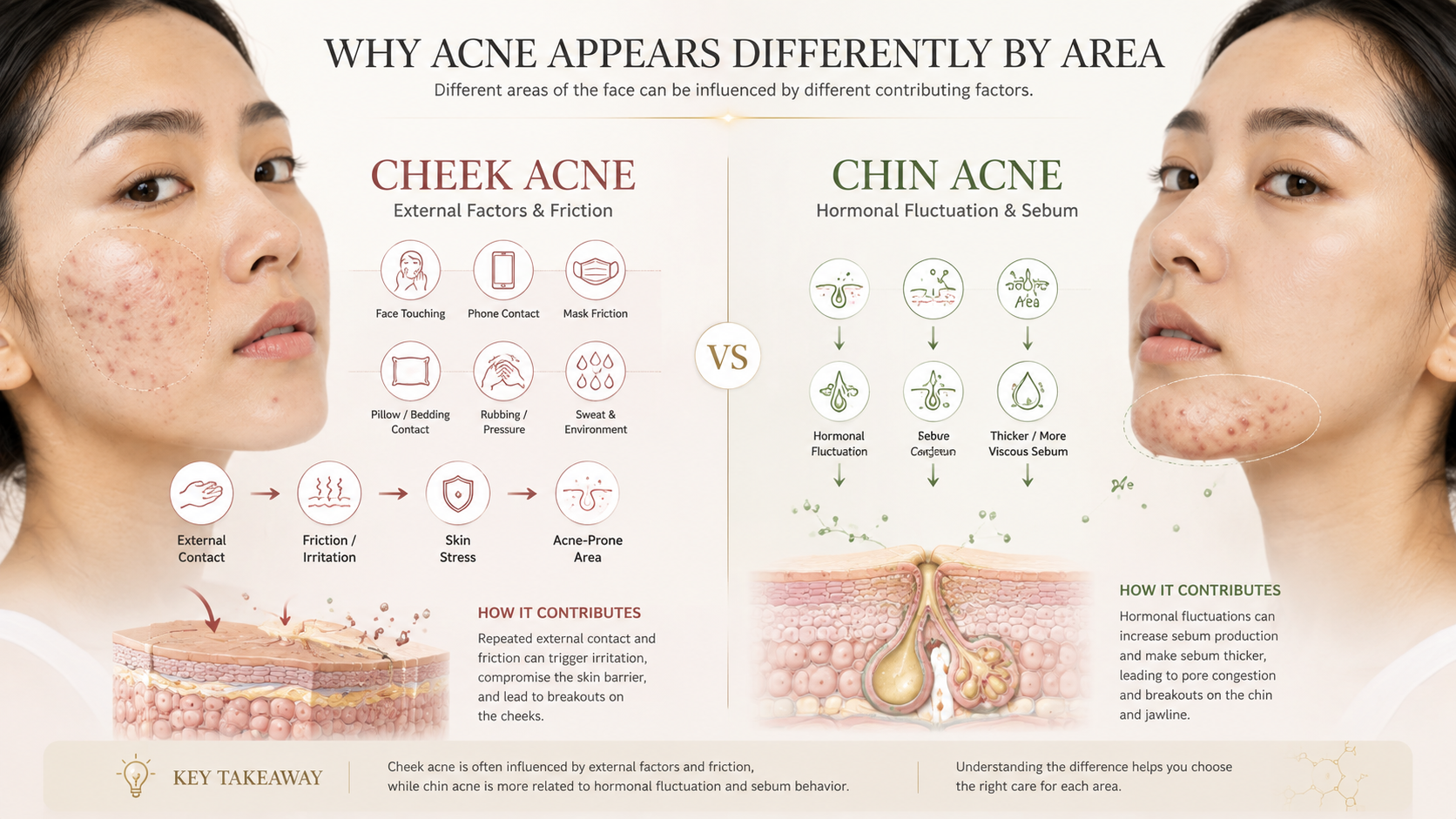
Infographic: Root cause comparison between Cheek Acne (external friction & barrier breakdown) vs. Chin Acne (hormonal fluctuations & viscous sebum).
What is the most effective acne product?
The most effective acne product is one that resolves deep cellular dysfunction rather than offering short-term surface drying. Clinical data shows recurring acne stems from five interconnected biological mechanisms that top-tier formulations must address simultaneously:
Primary Trigger 1
Unregulated Sebum Hypersecretion
Hyperactive sebaceous glands continuously refill freshly cleared pores unless sebum output is regulated at a cellular level.
Primary Trigger 2
Compromised Skin Barrier Integrity
A damaged lipid barrier lets opportunistic bacteria and external pollutants penetrate back into follicular structures.
Primary Trigger 3
Deep Follicular C. acnes Residues
Standard spot treatments often sterilize surface layers while leaving active bacterial colonies intact inside deeper pore canals.
Primary Trigger 4
Retention Hyperkeratosis
Accumulated dead corneocytes mixed with hardened lipids form dense keratin plugs that block normal follicular drainage.
Primary Trigger 5
Persistent Dermal Sub-Clinical Inflammation
Residual inflammatory cytokines lingering beneath resolved blemishes rapidly initiate new breakouts in identical locations.
What kills acne the fastest?
While high-concentration benzoyl peroxide or drying alcohol agents kill surface bacteria rapidly, scientific data proves they also destroy essential intercellular lipids. This leads to severe skin flaking, accelerated moisture loss, and secondary irritation.
When the skin barrier is stripped, transepidermal water loss surges. In response, sebaceous glands trigger a compensatory overproduction of oil, leading to the well-documented rebound breakout phenomenon.
Rebound Breakout Phenomenon: Clinical dermatological observations show a direct correlation between prolonged exposure to harsh drying agents and increased reactive sebum output in acne-prone skin types.
| Treatment Aspect | Conventional Drying Agents | Biopeptide Recovery Matrix |
|---|---|---|
| Primary Mechanism | Indiscriminate bacterial neutralization & harsh lipid stripping | Targeted C. acnes modulation with concurrent barrier repair |
| Barrier Impact | Degrades lipid matrix, elevates TEWL significantly | Promotes re-epithelialization & ceramide synthesis |
| Sebum Regulation | Triggers compensatory rebound hypersecretion | Balances oil output via anti-inflammatory pathways |
| Irritation Profile | High: associated with erythema, peeling, and burning | Low: bio-compatible signaling preserves skin health |
| Post-Acne Recovery | No wound healing support; increases risk of PIH | EGF & Copper Tripeptide support tissue remodeling |
| Long-Term Outcome | Perpetuates chronic inflammation cycle | Establishes long-term barrier resilience |
"The primary key to resolving recurrent acne is not aggressive oil stripping, but restoring cellular signaling and reinforcing skin barrier integrity. When the skin barrier is healthy, skin regulates inflammation naturally without suffering from extreme dryness."
Dr. Kenji Tanaka
Lead Researcher, Majestic Cosme Laboratories
What is the #1 acne treatment?
In advanced dermatological science, biopeptide technology is recognized as a premier approach for acne recovery. Bioactive peptides utilize precision biological signaling to accelerate natural tissue repair. Learn more about the Japanese peptide science driving this formulation advance.
Acnobet
Modulates androgenic responses in sebaceous glands to control excess oil production without inducing flaking.
Hairen
An anti-inflammatory peptide complex that suppresses pro-inflammatory cytokines, shortening the lifespan of active lesions.
Growth Factors / EGF (Human Oligopeptide-1)
Nobel Prize-winning growth factor technology that stimulates cell renewal and speeds post-acne tissue recovery.
Copper Peptide (GHK-Cu)
A potent peptide antioxidant that regulates post-inflammatory hyperpigmentation while promoting collagen synthesis.
Consumer Perception Trial Results: Majestic Active Repair Essence
Data based on a 4-week internal consumer perception trial. Individual results may vary.
The visual timeline below illustrates skin recovery trends observed across four weeks of consistent application:
Visual representation derived from consumer perception trial data. Not verified clinical measurements.
J-Beauty Skincare Routine Guide for Acne-Prone Skin
Japanese skincare philosophy prioritizes strengthening long-term skin architecture over harsh exfoliation. Read our comprehensive J-Beauty acne care guide for detailed protocol steps.
- Gentle Cleansing: Wash with a pH-balanced cleanser (5.0–5.5) formulated without harsh surfactants that break down the acid mantle.
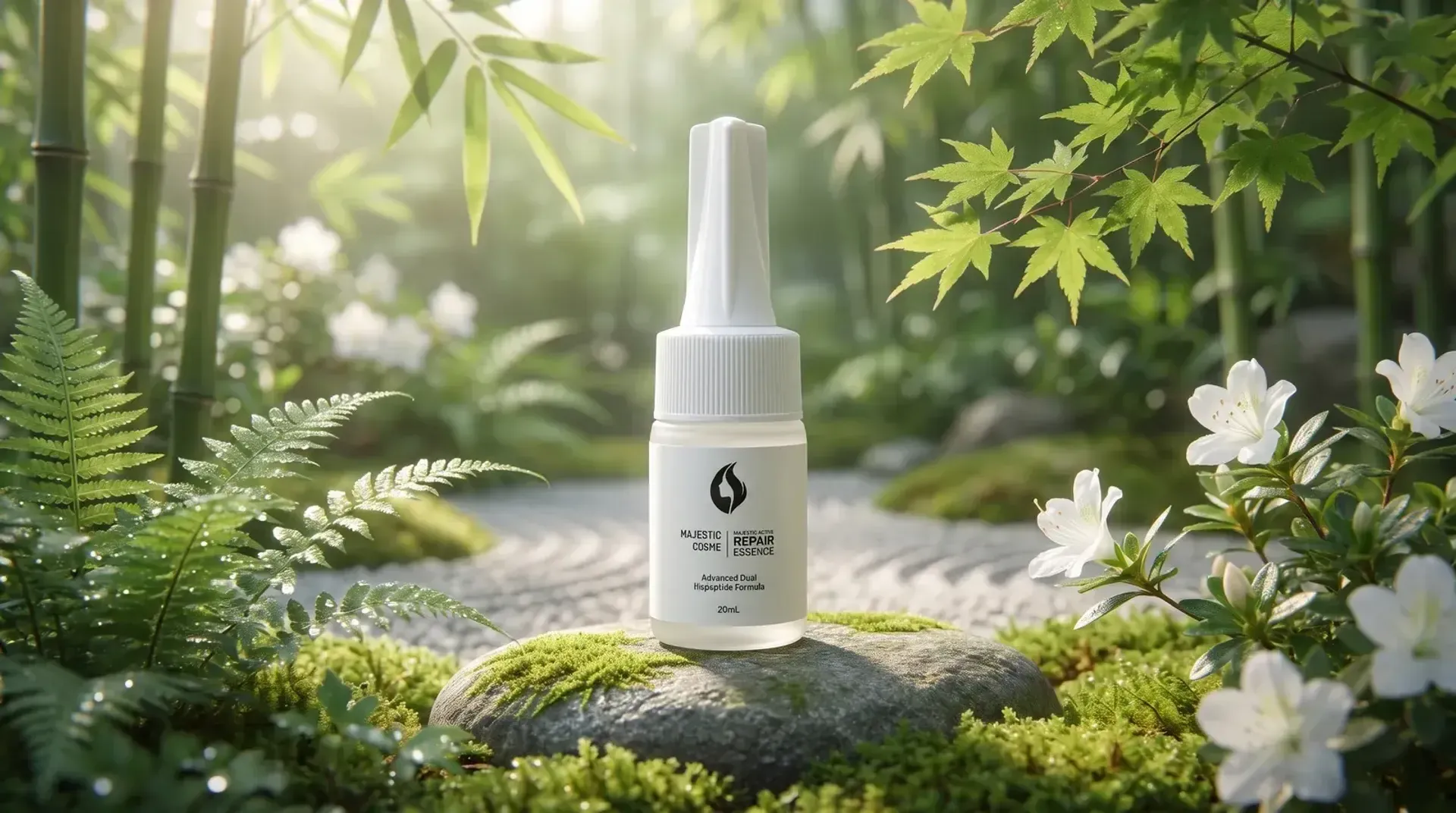
- Majestic Active Repair Essence: Apply to freshly cleansed skin as a primary step so its 100% Nano-Solution vehicle absorbs rapidly.
- Hydrating Lotion / Toner: Optional layer to provide humectant moisture once the treatment essence has absorbed fully.
- Ceramide Moisturizer: Lock in hydration using a lightweight, non-comedogenic emulsion.
- Broad-Spectrum Sunscreen (SPF 30+): Essential morning step to shield healing tissue against UV damage and post-acne dark spots.
For additional integration advice, view our biopeptide barrier restoration guide.
Compatibility Note: If using prescription topicals (such as Tretinoin), layer Majestic Active Repair Essence first. Allow 90 seconds for complete absorption before applying prescription treatments.
Conclusion: Stop the Acne Cycle by Strengthening the Skin Barrier
Acne placement patterns offer valuable diagnostic insight into internal and external triggers. Attempting to clear persistent breakouts by aggressively stripping natural oils only perpetuates inflammatory flare-ups.
The advanced Stem Cell Technology and Growth Factors approach within Majestic Active Repair Essence breaks the cycle by controlling sebum production, reducing inflammation, and fortifying skin barrier resilience simultaneously.
Begin Your Journey to Clear, Resilient Skin
Calm active inflammation and repair your skin barrier without causing dryness, flaking, or tightness through the power of Majestic Active Repair Essence.
Try Majestic Active Repair EssenceFrequently Asked Questions
Scientific References
- Thiboutot, D., et al. (2009). "New insights into the pathogenesis of acne: implications for treatment." Journal of the American Academy of Dermatology, 60(5), S1-S20.
- Zaenglein, A. L., et al. (2016). "Guidelines of care for the management of acne vulgaris." Journal of the American Academy of Dermatology, 74(5), 945-973.
- Gorouhi, F., & Maibach, H. I. (2009). "Role of topical peptides in preventing or treating aged skin." International Journal of Cosmetic Science, 31(5), 327-348.
- Majestic Cosme Research Laboratories. (2026). "Consumer Perception & Panel Evaluation: Efficacy of Biopeptide Matrix on Inflammatory Acne Tolerability and Barrier Hydration." Majestic Cosme Internal Panel Report, Series 2026-05.