.png%253Falt%253Dmedia%2526token%253D78c23398-5711-460d-b21c-4a7177094ae4%22%7D%2C%7B%22operation%22%3A%22resize%22%2C%22width%22%3A48%7D%2C%7B%22operation%22%3A%22output%22%2C%22format%22%3A%22webp%22%2C%22quality%22%3A75%7D%5D)

Key Takeaways
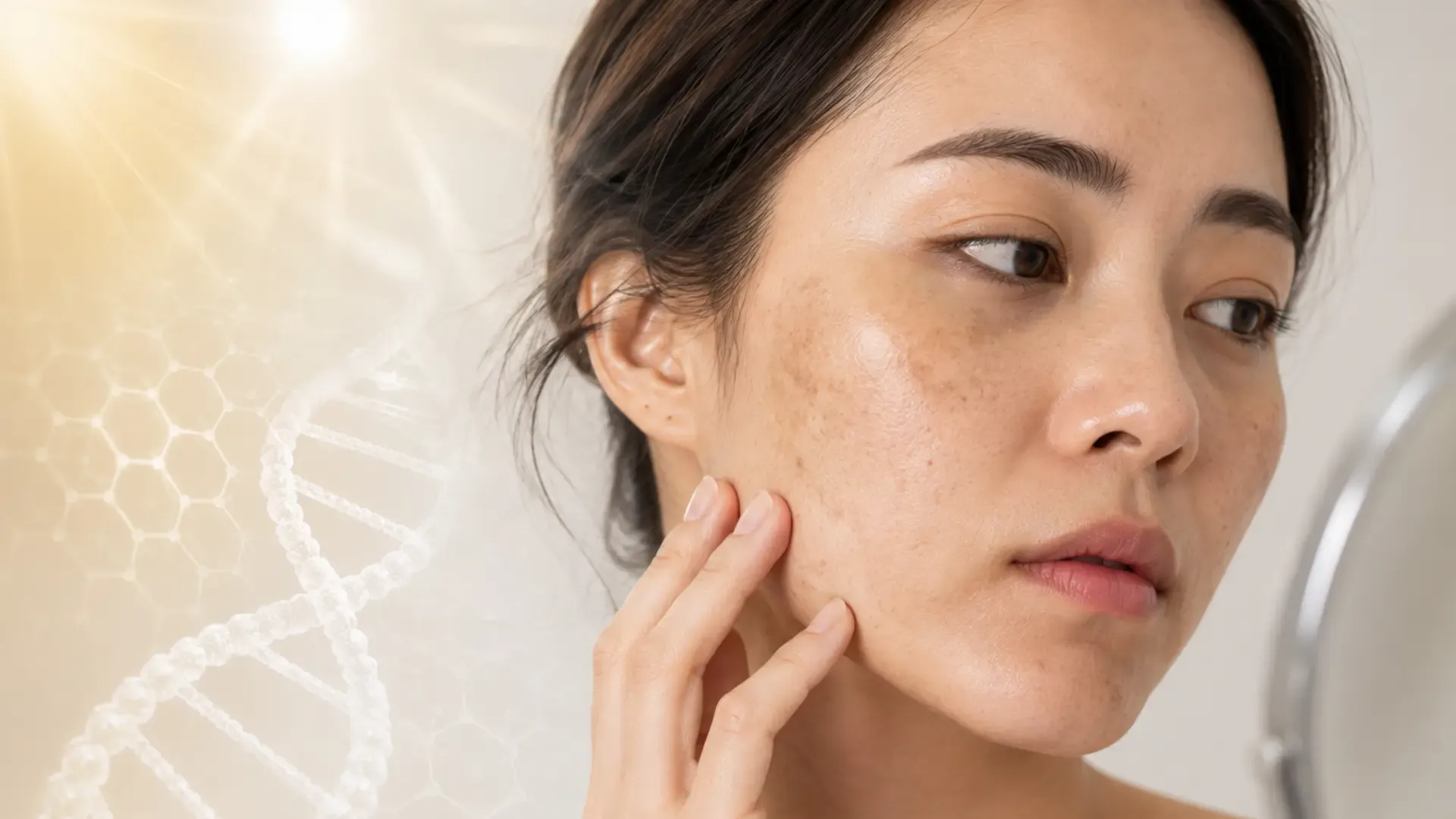
- UVA rays penetrate deep into the dermal layer and account for 80% of visible premature aging (photoaging), dark spots, and oxidative DNA damage.
- UVB rays target the epidermis and trigger immediate sunburn, with protection levels measured specifically by the product SPF rating.
- Tropical climates accelerate thermal aging, making conventional chemical sunscreens less ideal due to secondary heat generated within tissues.
- Combining DNA Repair Mineral SPF (Zinc Oxide & Titanium Dioxide) with Heat Shock Protein (HSP) technology delivers physical protection while actively repairing cellular damage.
UVA and UVB rays represent the two primary components of solar ultraviolet radiation that damage skin through distinct biological pathways. UVA rays (wavelength 315–400 nm) penetrate deep into the dermis, driving premature aging and cellular DNA degradation, whereas UVB rays (280–315 nm) primarily cause epidermal sunburn. Understanding both mechanisms forms the foundation for selecting comprehensive UV protection in tropical environments.
Beyond age 30, natural cellular DNA repair efficiency begins a measurable decline. Combining a Zinc Oxide and Titanium Dioxide DNA Repair Mineral SPF with Heat Shock Protein (HSP) technology delivers daily defense that not only reflects incoming radiation, but actively assists cellular recovery from prior exposure.
Mechanisms of UVA vs UVB Wavelengths on Dermal and Epidermal Layers
UVA radiation reaches the deep dermis to drive photoaging, dark spots, and long-term DNA damage. UVB radiation acts primarily on the superficial epidermis, causing immediate erythema and sunburn. Both wavelengths remain active on cloudy days and pass through window glass.
UVA Rays: The Driver of 80% Photoaging, Dark Spots, and Cellular DNA Damage
UVA constitutes approximately 95% of all solar UV radiation reaching the Earth's surface. Its longer wavelength (315–400 nm) allows it to pass through window glass and cloud cover, penetrating deeply into the dermis where collagen, elastin, and fibroblasts reside.
At the cellular level, UVA operates through two main pathways: generating Reactive Oxygen Species (ROS) that induce indirect oxidative DNA damage, and activating alpha-MSH signaling to trigger excess melanogenesis. Understanding why skin darkens even when wearing sunscreen highlights how unblocked UVA wavelengths stimulate melanin production deep within dermal tissues. A study published in the Journal of Investigative Dermatology confirms that chronic UVA exposure significantly increases oxidative DNA damage in dermal fibroblasts.
Clinical research by Flament et al. (2013) further indicates that UVA radiation accounts for roughly 80% of visible facial aging signs, including wrinkles, loss of firmness, and hyperpigmentation.
UVB Rays: The Trigger for Erythema, Sunburn, and SPF Measurement
UVB radiation (280–315 nm) is the direct cause of UV-induced sunburn and acute erythema. While it does not penetrate as deeply as UVA, UVB damages epidermal DNA directly through the formation of cyclobutane pyrimidine dimers (CPDs), distorting DNA strands and disrupting normal replication.
The Sun Protection Factor (SPF) rating specifically measures defense against UVB. SPF 20 filters approximately 95% of UVB rays, SPF 30 filters roughly 97%, and SPF 50 filters about 98%. While the percentage gaps appear small, consistent daily application and formula photostability are far more critical for long-term health.
Findings published in Nature Reviews Cancer emphasize that UVB radiation acts as a primary initiator of direct DNA photoproducts, even though its physical penetration stops within the epidermal layer.

| Parameter | UVA Rays (Aging) | UVB Rays (Burning) |
|---|---|---|
| Wavelength Range | 315–400 nm | 280–315 nm |
| Penetration Depth | Deep Dermis layer | Superficial Epidermis layer |
| Primary Impact | Photoaging, dark spots, collagen loss, ROS DNA damage | Sunburn, erythema, direct DNA photoproducts (CPDs) |
| Passes Through Glass | Yes | No |
| Active on Overcast Days | Yes (up to 80%) | Significantly reduced |
| Measured By | PA+ to PA++++ (Japanese system) | SPF (Sun Protection Factor) |
| Photoaging Contribution | ~80% of visible skin aging | ~20%, primarily acute damage |
Why Standard UV Protection Falls Short Against Thermal Aging in Tropical Climates
In tropical regions, skin faces continuous thermal stress alongside UV radiation. The combination of UVA, ambient heat, and urban pollution synergistically depletes cellular DNA repair capacity, causing thermal aging that conventional chemical filters fail to counteract adequately.
Chemical sunscreens absorb UV photons via organic reactions, generating heat as an internal byproduct. In warm climates, this added heat load raises skin temperature, accelerating matrix metalloproteinase (MMP) activity that breaks down dermal collagen. Research published in the Journal of Dermatological Science by Krutmann et al. (2017) highlights how heat stress accelerates collagen breakdown beyond UV damage alone.
Furthermore, standard chemical filters lack mechanisms to aid active cellular DNA repair. While they block incoming rays, they cannot mitigate damage from UV that penetrates, support endogenous Nucleotide Excision Repair (NER) pathways, or interrupt alpha-MSH cascades driving hyperpigmentation.
.JPG?alt=media&token=ba47cc76-b161-4b3b-886d-6f1dbd2e7cb2)
"The skin faces free radicals and UV radiation daily. That is why I firmly believe daily broad-spectrum defense forms the foundational pillar of skin health."
Dr. Resty Putri, Dipl. CIBTAC, AAAM
Aesthetic Medical Physician & Collaborator, Majestic Cosme
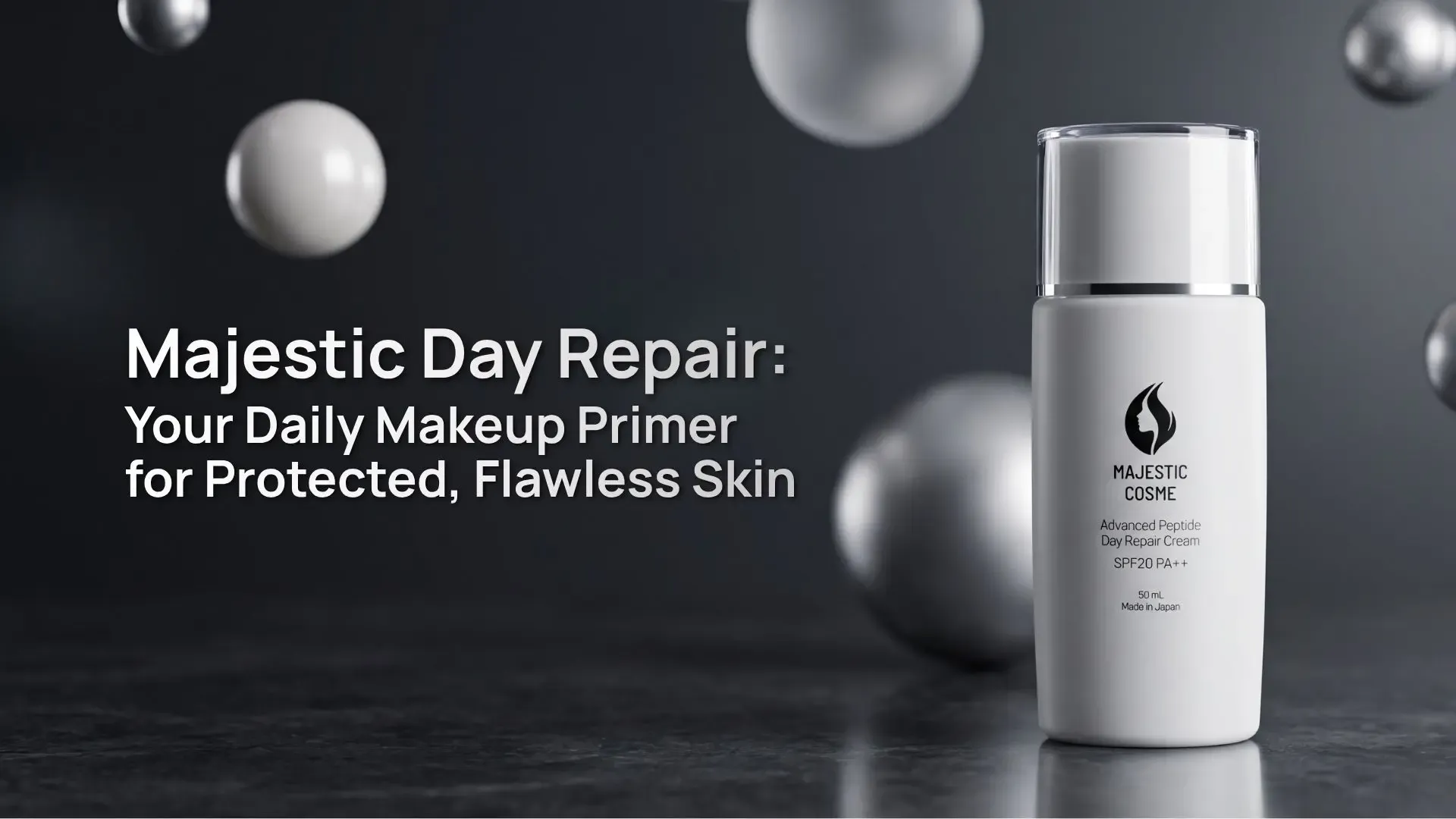
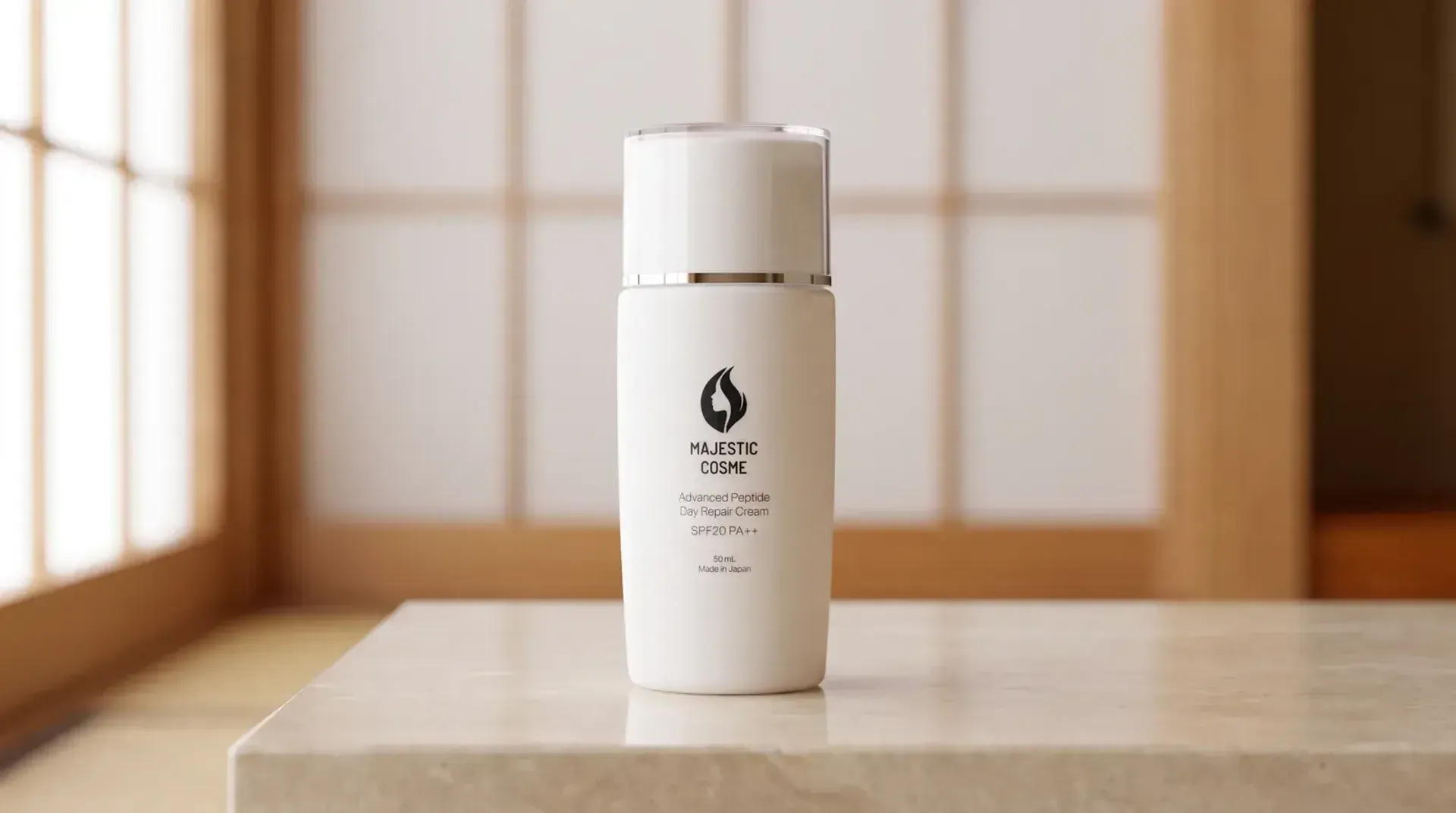
The DNA Repair Mineral SPF formula in Majestic Day Repair utilizes physical Zinc Oxide and Titanium Dioxide to reflect rays away without generating internal heat. This physical shield protects dermal structures without elevating tissue temperatures, making it uniquely suited for tropical environments.
The Japanese Mochi Skin Philosophy: Plumpness Supported by Mineral Protection
Mochi Skin represents the Japanese beauty ideal of firm, supple, hydrated skin with a natural, velvety bounce like fresh rice cake. Unlike Korean Glass Skin, which emphasizes intense surface shine, Mochi Skin focuses on structural density and dermal resilience from within.
| Aspect | Mochi Skin (Japanese) | Glass Skin (Korean) |
|---|---|---|
| Core Focus | Structural firmness, elasticity, and suppleness | Extreme surface sheen and poreless clarity |
| Key Priority | Cellular DNA protection, elasticity, and barrier health | Multi-layer hydration and glass-like reflectiveness |
| UV Defense Role | Essential Mineral SPF with high PA ratings | SPF applied as an added step |
| Aging Philosophy | Early preventative care rooted in cellular health | Corrective treatment using active ingredients |
For a detailed exploration of these beauty standards, read our guide on Mochi Skin vs Glass Skin in Japanese skincare.
Maintaining Mochi Skin past age 30 requires preserving dermal collagen and elastin integrity, which depends directly on shielding fibroblasts from UVA damage and assisting DNA repair mechanisms.
Human-Type Heat Shock Proteins (HSP) in Majestic Day Repair act as cellular chaperones that identify UV-damaged proteins, guiding their refolding into functional structures. As reviewed by Trautinger (2001), HSP70 aids misfolded proteins while HSP27 preserves cytoskeletal integrity, keeping collagen-producing fibroblasts resilient under daily solar exposure.
Who Benefits Most From Mineral Sunscreens? (Safe for Sensitive Skin and Pregnancy)
Mineral sunscreens formulating Zinc Oxide and Titanium Dioxide are suitable for all skin types, including sensitive, acne-prone, hyperpigmented, and pregnant skin, because they remain on the surface without systemic absorption or endocrine disruption risks.
In contrast to chemical filters like oxybenzone or avobenzone, which systemic absorption studies by Matta et al. (2019) in JAMA detected in blood plasma following topical application, mineral filters reflect UV physically without crossing the epidermal barrier.
For an in-depth comparative analysis, explore our article on mineral vs chemical sunscreen differences evaluating safety and tropical performance.
Majestic Day Repair utilizes micronized Japanese mineral particles to deliver broad-spectrum defense without leaving a white cast, blending smoothly under daily makeup across diverse skin tones.
Furthermore, mineral filters offer superior photostability. While organic filters degrade after continuous UV exposure, Zinc Oxide and Titanium Dioxide do not break down, maintaining stable SPF 20 PA++ protection throughout typical indoor and daily activities.
Selection Guide for Broad-Spectrum Sunscreens with DNA Repair Technology
An optimal anti-aging sunscreen for skin aged 30+ must combine UVA and UVB blocking with active cellular repair mechanisms. Majestic Day Repair integrates multi-layer defense in a single morning step.
Consider the following criteria when selecting a DNA repair sunscreen:
- Minimum SPF 20 with verified PA++ or higher rating for broad UVA protection.
- Inorganic mineral filters (Zinc Oxide and/or Titanium Dioxide) for photostability and safety.
- Human-Type HSP technology to support protein and DNA repair pathways.
- ASP Functional Peptide to inhibit alpha-MSH signaling and manage hyperpigmentation.
- Antioxidants (Vitamin C, Vitamin E, Thioredoxin/TRX) to neutralize ROS from pollution and HEV light.
- A smooth makeup primer sunscreen texture that wears comfortably under cosmetics without white cast to encourage consistent daily application.
Paying attention to the PA rating is as crucial as checking the SPF. Developed in Japan, the PA system quantifies UVA protection, with PA++ indicating meaningful daily defense against the primary driver of cumulative photoaging.
Daily Cellular DNA Protection
Protect your cellular DNA from UVA photoaging and tropical heat. Experience daily mineral defense with Heat Shock Protein technology from Majestic Day Repair (DNA Repair Mineral SPF) today.
Conclusion: Protecting Cellular DNA to Preserve Long-Term Skin Elasticity
Understanding the differences between UVA and UVB rays provides a practical framework for choosing effective daily UV protection, particularly past age 30 when natural repair processes diminish.
UVA rays penetrate deeply, remain active year-round through glass, and drive 80% of visible aging. UVB rays trigger immediate sunburns but are simpler to block with standard SPF filters. Comprehensive defense requires a formula that addresses both while supporting cellular DNA recovery.
A DNA Repair Mineral SPF like Majestic Day Repair serves as more than a sunscreen: it provides a complete daily step that shields, restores, and reinforces skin health, sustaining the biological foundation for firm, supple Mochi Skin day after day.
Frequently Asked Questions
Scientific References
- Flament, F., et al. (2013). "Effect of the sun on visible clinical signs of aging in Caucasian skin." Clinical, Cosmetic and Investigational Dermatology, 6, 221–232. https://doi.org/10.2147/CCID.S44686
- Krutmann, J., et al. (2017). "The skin aging exposome." Journal of Dermatological Science, 85(3), 152–161. https://doi.org/10.1016/j.jdermsci.2016.11.007
- Trautinger, F. (2001). "Heat shock proteins in the photobiology of human skin." Journal of Photochemistry and Photobiology B: Biology, 63(1–3), 105–112. https://doi.org/10.1016/S1011-1344(01)00216-5
- Diffey, B. L. (2009). "Sunscreens as a preventive measure in melanoma: an evidence-based approach or the precautionary principle?" British Journal of Dermatology, 161(Suppl. 3), 25–27. https://doi.org/10.1111/j.1365-2133.2009.09450.x
- Matta, M. K., et al. (2019). "Effect of sunscreen application under maximal use conditions on plasma concentration of sunscreen active ingredients." JAMA, 321(21), 2082–2091. https://doi.org/10.1001/jama.2019.5586